Guide
Grandmillennial Floral Wallpaper Patterns: A 2026 Designer's Guide to the Chintz Revival, Done Right
# Grandmillennial Floral Wallpaper Patterns: A 2026 Designer's Guide to the Chintz Revival, Done Right Grandmillennial florals have quietly become one of the most requested looks in interiors, and 2026 is the year they move from a niche revival to a mainstream default. The appeal is easy to understand. After a decade of pale walls and restrained styling, a floral pattern that feels inherited rather than installed reads as warmth, personality, and confidence. For designers, makers, and small brands, that shift is an opportunity, because grandmillennial is a look built almost entirely on pattern. But the version of this trend that works in 2026 is not the same maximal, wall-to-wall chintz your search results will surface. The florals that feel current are more considered. They layer instead of shout, they sit alongside modern furniture without turning a room into a period set, and they respect scale in a way the early revival often ignored. This guide covers where the look came from, why it is surging now, and the practical choices that separate a collected grandmillennial room from a costume version of one. If you design surfaces, sell patterns, or style interiors for clients, understanding these distinctions is what lets you sell the trend at the high end rather than the novelty end.
What Grandmillennial Actually Means
The term is newer than the aesthetic. Grandmillennial was coined by House Beautiful writer Emma Bazillian to describe millennials in their twenties and thirties who were drawn to comfort and what the mainstream considered old-fashioned taste, according to Homedit's history of the style. The look itself borrows directly from traditional and English country interiors: chintz, floral patterns, ruffles, and heirloom furniture, reframed for a younger, less formal home.
The floral thread runs all the way back to Mario Buatta, the designer known as the Prince of Chintz, who opened his firm in 1963 and built a reputation on bold floral patterns and English-country decor. Chintz itself, a glazed cotton printed with dense florals, is the quintessential grandmillennial material, historically used for upholstery, curtains, and wall coverings.
The critical word in the modern definition is blend. Grandmillennial is not a faithful recreation of a 1960s drawing room. It pairs those traditional florals with cleaner, contemporary pieces so the result feels curated rather than staged. That single principle, old pattern against modern form, is the through-line for every decision below.
Why the Look Is Surging in 2026
The demand is measurable. In Forbes' roundup of 2026 design trends, grandmillennial is named a leading direction, with project requests for wallpapering up 450 percent and searches for custom upholstery up 70 percent. Those are not soft signals. They point to homeowners actively investing in pattern-heavy, layered interiors after years of minimalism.
That momentum sits inside a broader maximalist moment. Interior designers surveyed by Country and Town House and others describe 2026 as a year of layered patterns, rich color, and unapologetic decoration, with florals moving from delicate accents to confident, expressive statements. Grandmillennial is the most accessible on-ramp to that maximalism, because it comes with a built-in logic: nostalgia, comfort, and heritage motifs that most people already find familiar and safe.
For designers building collected, layered rooms, that familiarity is a selling point. Clients who would never commit to an abstract maximalist scheme will happily live with a floral that reminds them of a grandmother's guest room.
The 2026 Correction: From Big Blooms to Restrained Botanicals
Here is the nuance most trend coverage skips. The grandmillennial florals that feel fresh in 2026 are not the oversized, wall-dominating repeats that defined the early revival. When Apartment Therapy asked five designers what wallpaper trends are out for 2026, the consensus was striking: large-scale bold florals can conjure, in one designer's words, grandmom's attic vibes, and a big repeat can overwhelm a room and read as visually chaotic.
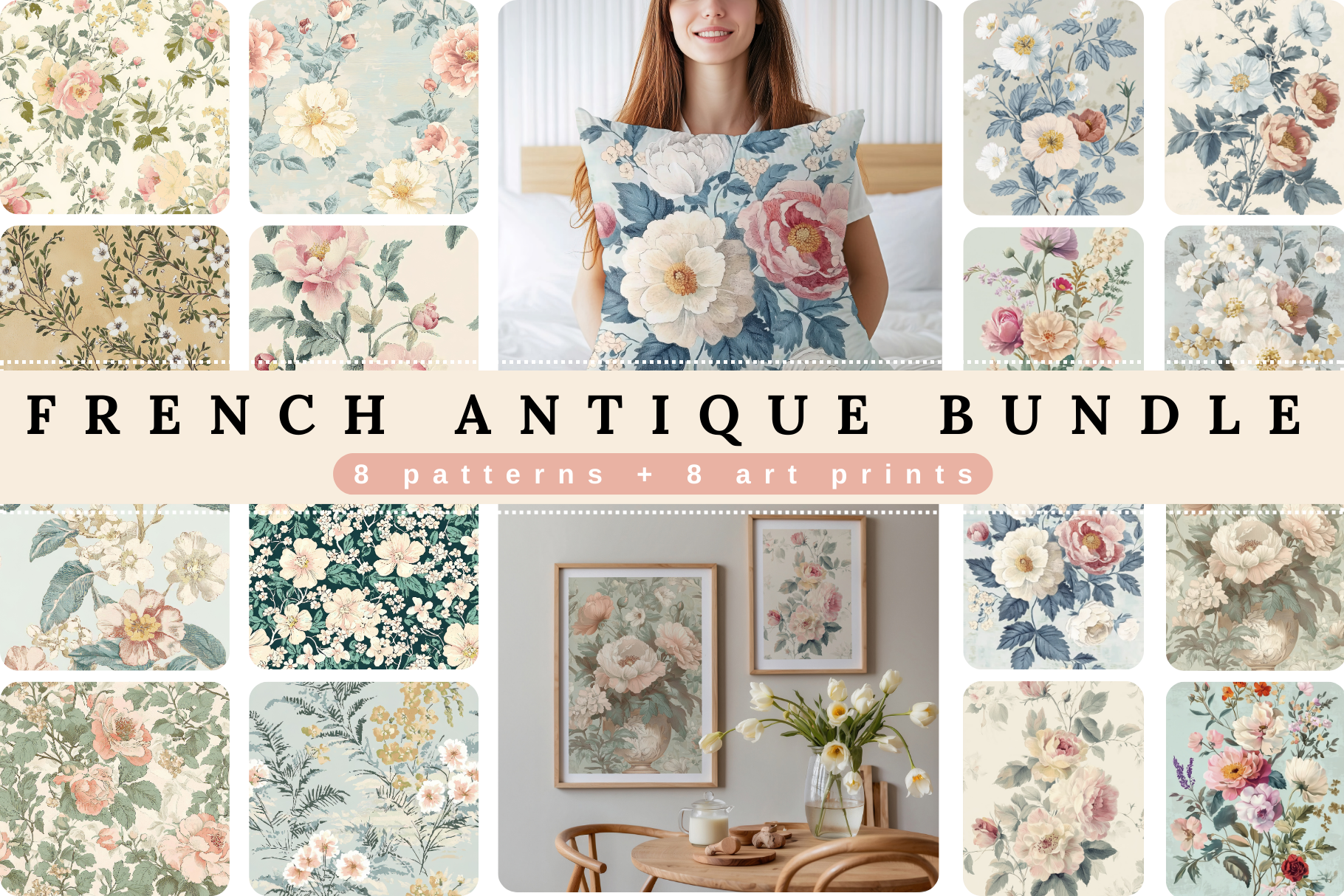
Their recommended replacement is telling. Instead of dropping florals entirely, designers are leaning toward restrained botanicals: stylized foliage and smaller-scale graphic florals that are far easier to layer with other patterns, textures, and elements. In other words, the grandmillennial instinct is right, but the execution has matured. The winning 2026 floral is soft, seamless, and scaled to sit alongside other patterns rather than to be the only pattern in the room.
This is the single most useful takeaway for anyone selling or specifying pattern this year. Reach for delicate, layerable florals over dramatic single-statement blooms, and you land on the current side of the trend instead of the dated one.
Choosing a Floral Scale That Layers
Scale is where grandmillennial rooms succeed or fail. A dense, small-to-medium floral repeat gives the eye texture without a focal point, which is exactly what you want when the pattern will share a room with stripes, checks, or a second print. Large single blooms, by contrast, create competing focal points that fight every other element in the space.
A reliable approach is to treat your floral as the base layer and choose it at a scale that reads almost as texture from across the room. Ditsy and small-scale repeats do this naturally, which is why they translate so well from wallpaper to upholstery to accessories. If you want to go deeper on that end of the spectrum, our guide to small-scale florals for fabric covers how tighter repeats behave across different surfaces.
For a bolder room, you can still use a larger floral, but pair it with restraint everywhere else: solid upholstery, plain drapery, and a single accent pattern at most. The rule is simple. The bigger the floral, the quieter everything around it needs to be.
Color Stories That Read as Collected, Not Costume
Grandmillennial has a signature palette, and using it well is what keeps a room from tipping into pastiche. Blue and white is the classic combination, streamlined and nostalgic at once, and it remains the safest entry point into the style. It carries chinoiserie, ginger jars, and porcelain along with it, giving a floral wall an instant sense of history.
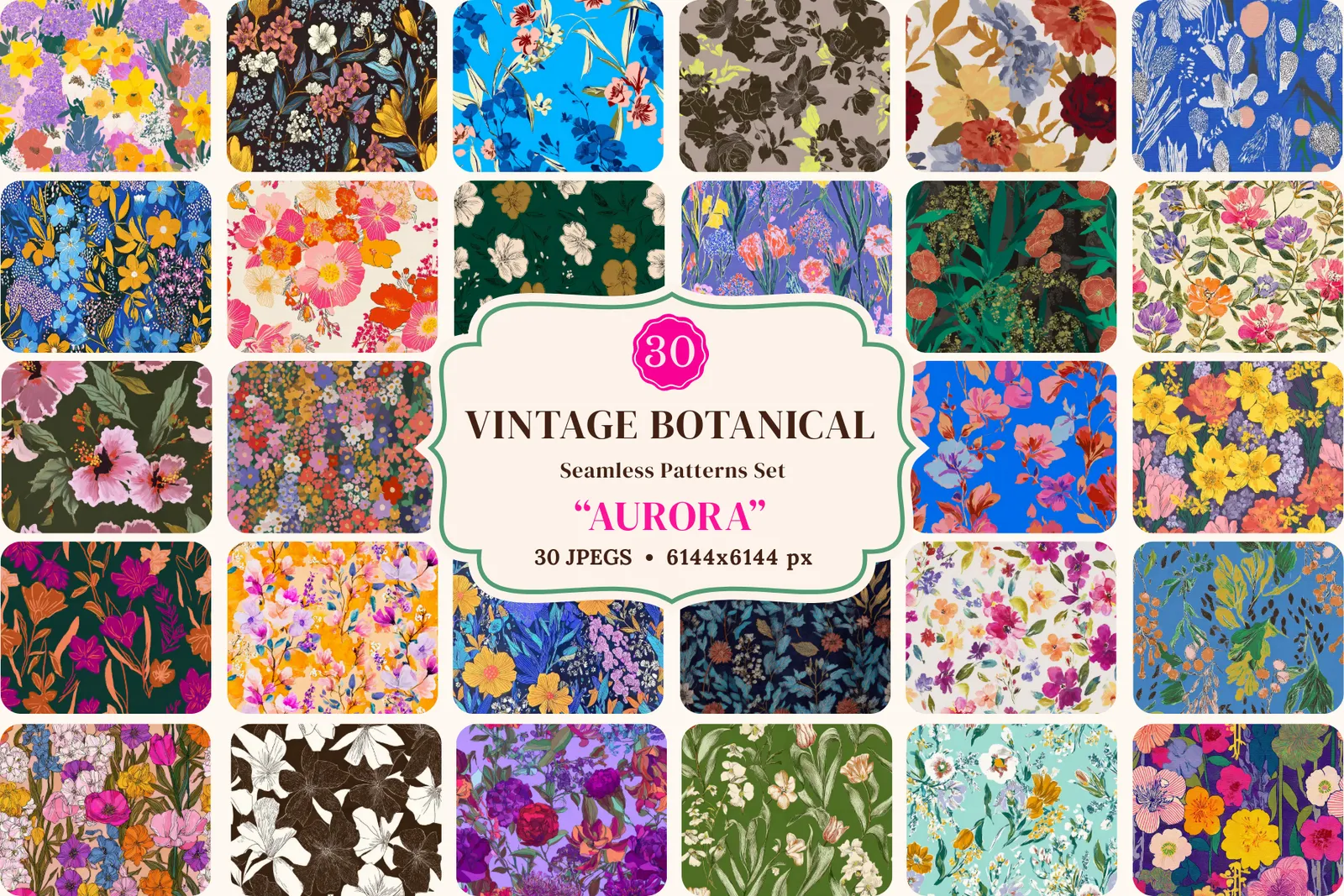
But 2026 pushes the palette in two directions. Toward the traditional end, soft and faded florals in dusty rose, sage, and butter yellow feel authentically inherited. Toward the expressive end, the maximalist mood documented by Camille Styles in its 2026 trend predictions supports deeper, moodier florals in jewel tones for rooms that can carry drama. If your client leans dark and enveloping rather than light and preppy, a moody scheme is a legitimate grandmillennial variant. Our guide to dark floral wallpaper walks through how to keep those richer palettes from feeling heavy.
Whichever direction you choose, keep the palette consistent across the room. Grandmillennial tolerates a lot of pattern precisely because the colors stay in a tight family. Break the palette and the layering collapses into clutter.
Where Grandmillennial Florals Work Best
The look does not need to take over a house. Some of the most effective grandmillennial florals live in small, low-commitment rooms where boldness feels like a treat rather than a burden. Powder rooms, laundry rooms, entryways, and guest bedrooms are the classic candidates, because their scale lets a pattern feel immersive without dominating daily life.
A wallpapered powder room is the lowest-risk way to test the style, and it photographs beautifully, which matters for anyone building a portfolio or a product catalog. Bedrooms are the next step up: a floral behind the bed, paired with plain linens and a modern lamp, delivers the collected look without saturating the room. For those going all in, the wallpaper-drenching approach documented by Apartment Therapy, where the pattern wraps every wall and even the ceiling as a fifth surface, is having a genuine moment. It is dramatic, so it belongs in rooms you enter briefly rather than ones you work in all day.
Pattern Mixing Without the Clutter
Confident pattern mixing is a hallmark of the style, but it follows rules. The most dependable formula is to combine your floral with patterns that differ in geometry and scale: a floral with a stripe, a small check, or a plaid, rather than a floral with a second floral of similar weight. Difference in structure is what lets the eye read each pattern as intentional.
Keep the number of patterns manageable. Two or three coordinated prints in a shared palette will always look more considered than five competing ones. And anchor the mix with solids: a plain sofa, a simple rug, or unadorned drapery gives the eye somewhere to rest. When grandmillennial rooms fail, it is almost always because everything is patterned and nothing is calm.
The heritage-floral instinct also pairs naturally with vintage motifs beyond chintz. If you are building a broader collection around this aesthetic, our guide to vintage botanical pattern wallpaper covers complementary directions that sit comfortably in the same room.
Build Your Grandmillennial Palette with Patterio
The grandmillennial florals that will still look right in five years are the soft, seamless, layerable ones, not the loud single-statement blooms that defined the first wave. That is the version worth designing around, specifying for clients, or building a product line on.
Patterio's floral and vintage collections are designed for exactly this kind of layered, collected room: delicate repeats and painterly botanicals scaled to coordinate rather than compete, with the seamless tiling you need for wallpaper, upholstery, and accessories alike. Browse the floral pattern collection to find your base layer, then explore the vintage collection for the heritage motifs that complete the look. Every set is original and designer-curated, ready to license for the grandmillennial project you are planning next.
Ready to start?
Browse seamless pattern bundles