Guide
Geometric Patterns for Surface Design: A 2026 Guide for Designers
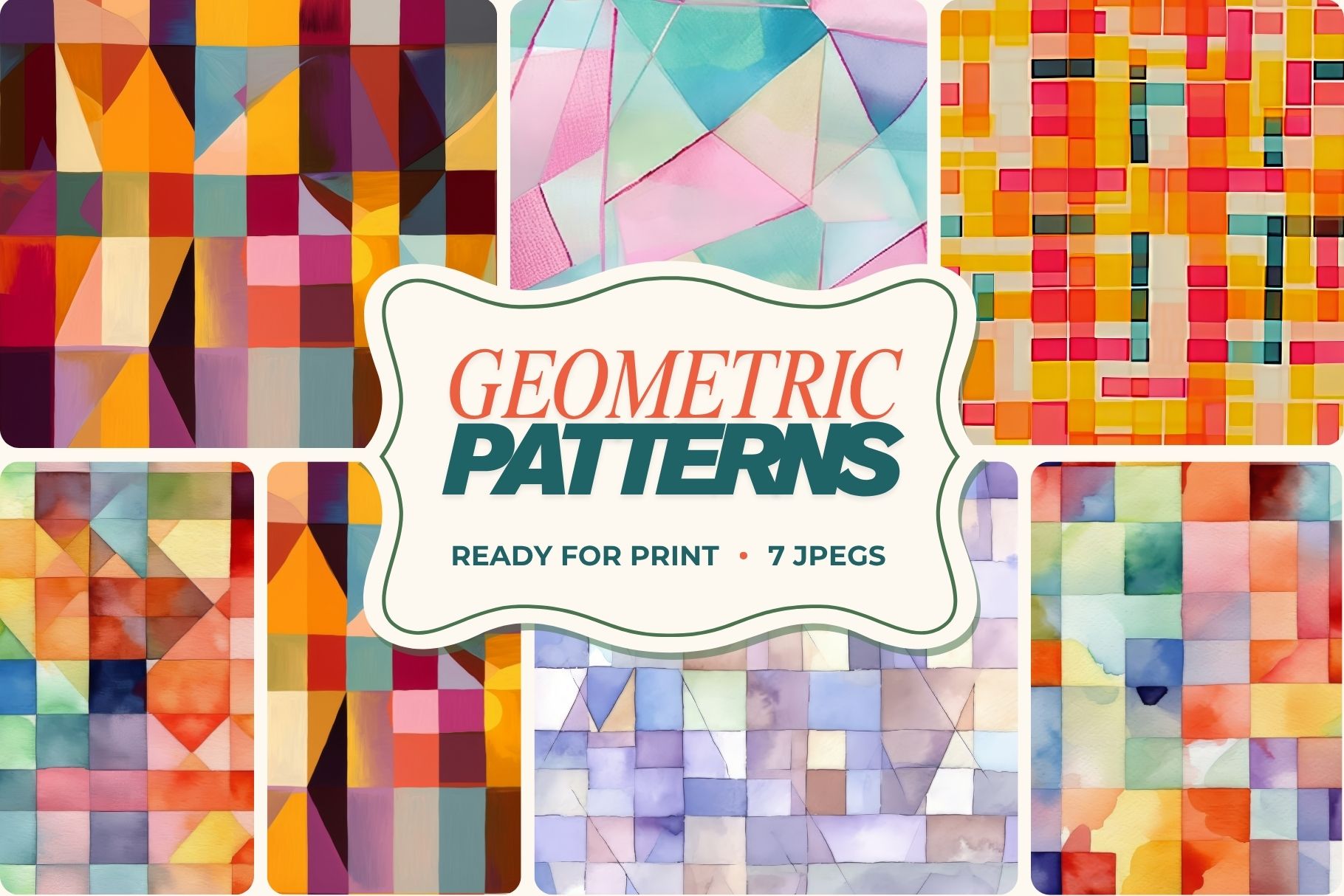
# Geometric Patterns for Surface Design: A 2026 Guide for Designers Geometric pattern has always been the quiet backbone of surface design. While florals and botanicals get the attention, it is the arches, scallops, stripes, and repeats that hold a product range together. In 2026, that backbone is stepping forward. A wave of Art Deco revival, bolder color, and more confident pattern mixing has put geometric design back at the center of the conversation. This guide is written for the people who use these patterns: product designers, makers, and small brands deciding what to license and how to apply it. It covers the trend signals worth trusting, the specific shapes defining the year, and the practical choices, scale, color, placement, that separate a geometric pattern that sells from one that sits unused.
The Geometric Revival Behind 2026
The strongest read on where surface design is heading comes from the trade shows, and the picture there is clear. In its roundup of the London Surface Design Show 2026, Houzz reports that "homeowners are increasingly leaning toward interiors with character, and customizable designs were everywhere," singling out wallcoverings that use "bold color and geometric shapes" with no standard repeat. Geometry, in other words, is no longer the safe neutral choice. It is where designers are expressing personality.
The same show pointed to three-dimensional and tactile geometry as a defining direction. Houzz describes 3D tile as a standout, noting that "three-dimensional shapes add depth and personality to interiors," with brands showing triangular and folded forms designed to play with light and shadow. That move from flat repeat to dimensional pattern is shaping how designers think about geometry across every surface, not just tile.
Platform data tells the same story. The official Pinterest Predicts 2026 report names Neo Deco as a key home trend, "the Art Deco trend getting a modern twist: shiny, sleek and tuned to 2026," built around crisp geometric patterns, fan arches, and metallic accents. The searches behind it are climbing fast, with related terms like brass aesthetic up 35 percent and red marble bathroom up 80 percent.
Neo Deco: Arches, Fans, and Scallops
If one vocabulary defines geometric pattern in 2026, it is Art Deco, refreshed. Writing specifically for surface designers, Ashleigh Fish breaks down the Pinterest Predicts trends and describes Neo Deco as "a modern, updated take on Art Deco, glamorous yet lived-in, structured yet soft," calling for "graphic symmetry, fan shapes, arches, and scallops."
That short list is a useful brief on its own. Fan shapes and sunbursts carry the glamour. Arches bring a softer, architectural feel that has carried over from the last few years of interiors. Scallops add rhythm and a touch of playfulness. Together they give a pattern range coherence: a fan motif, an arch repeat, and a scallop border can all live in one collection because they share a Deco logic.
The color cue is just as specific. In its 2026 wallpaper trends report, William Morris Wallpaper notes that "chartreuse green, the saturated yellow-green that defined Art Deco interiors, is back in metallic geometric patterns and Art Deco revivals." A geometric repeat in chartreuse, or in the brass and chrome tones Pinterest highlights, reads instantly as current.
Beyond Deco: Stripes, Checks, and Dots
Art Deco is the headline, but it is not the whole story. The broader geometric mood in 2026 has a retro, slightly imperfect edge. In its pattern design trends overview, Envato Elements points to "bold, uneven stripes and updated plaid and checks featuring new color twists and subtle distortions," and notes that "polka dots are still in style, too, just with different sizes and arrangements."
The keyword there is distortion. The geometric patterns gaining traction are not perfectly mechanical. Stripes wobble slightly. Checks shift in scale. Dots vary in size across a single repeat. This hand-drawn looseness keeps a geometric design from feeling cold or corporate, and it pairs naturally with the personality-driven mood the trade shows are reporting.
For a designer, this is freeing. A stripe no longer has to be ruler straight to feel intentional. A check can be deliberately uneven. The imperfection is the point.
Scale and Placement Decisions
The single most important practical choice in geometric surface design is scale, and 2026 is pushing in two directions at once.
On one hand, full-coverage geometry is having a moment, the all-over Deco wall, the head to toe patterned tile. On the other, designers are using pattern more strategically. Envato describes placement "shifting between full-coverage designs and strategically placed motifs for added impact." A single oversized fan on an otherwise plain surface can carry as much weight as a dense repeat, and it gives a product range flexibility.
The takeaway for anyone licensing a geometric pattern is to think about both uses up front. A well-built geometric design should work tiled across a whole wallpaper drop and also crop down to a single motif on a notebook cover or a cushion. The patterns that earn their keep are the ones that scale both ways.
Dimensional thinking helps here too. Even on a flat surface, a geometric pattern with implied depth, overlapping shapes, tonal shading, a sense of light, taps into the same 3D mood the Surface Design Show identified, without needing a physical tile.
Color for Geometric Patterns
Geometry shows color more honestly than florals do. With fewer organic shapes to hide behind, the palette has to be right.
Three directions are working in 2026. The first is the metallic Deco palette: chartreuse, brass, chrome, and warm gold, glamorous and unmistakably current. The second is the saturated jewel tone, deep greens, oxblood, plum, and ink, which give a geometric repeat richness and weight. The third is the retro warm palette Envato points to, "warm browns, mustard yellows, and dusty pinks," which softens geometry into something nostalgic and approachable.
The rule across all three is restraint in count. A geometric pattern usually needs fewer colors than a floral. Two or three tones, chosen with conviction, almost always outperform a busy spectrum, because the structure of the pattern is already doing the visual work.
How Designers Actually Use Geometrics
The reason geometric patterns are such a workhorse is range. A single strong geometric collection can move across more product types than almost any other pattern style.
Stationery and packaging lean on geometry constantly, because a clean repeat or a single bold motif reproduces beautifully at small sizes and on matte stock. Textiles use geometric pattern for everything from upholstery to apparel, where stripes, checks, and Deco repeats never go out of rotation. Surface and tile design, as the trade shows make plain, is leaning hard into dimensional geometry. And digital and brand design borrow geometric pattern for backgrounds, dividers, and identity systems.
For a small brand or independent designer, this versatility is the value. Licensing one well-built geometric set can supply a stationery line, a fabric range, and a packaging system from the same visual language, which keeps a brand coherent and the design budget efficient.
Where Patterio Fits
Patterio's seamless geometric collections are designed with exactly this flexibility in mind. Clean repeats, Deco-inspired motifs, and modern geometric layouts that tile smoothly across large surfaces and crop down to single motifs for smaller products. Each set is delivered ready to license for commercial use, so a designer can move straight from file to product.
If you are building a range, the geometric collection and the abstract collection are the natural starting points, with structured repeats and looser graphic patterns side by side. For ideas on combining geometry with botanicals in a single scheme, our guide to pattern drenching with florals shows how layered pattern reads as intentional rather than chaotic. And for the wider commercial picture, our botanical pattern trends guide and our look at ditsy floral patterns for fabric cover how surface patterns move across product types.
A Final Word on Structure
Geometric pattern is often treated as the supporting act, the thing you reach for when a floral feels like too much. In 2026 that hierarchy is shifting. The Deco revival, the move toward dimensional and personality-driven design, and the freedom of looser, imperfect geometry have all given structure a starring role.
For the designers who work with these patterns every day, the opportunity is in treating geometry with the same care as a hero floral. Choose the shape vocabulary deliberately, keep the palette tight, plan for both full-coverage and single-motif use, and a geometric collection will quietly do more work than almost anything else in the library.
Ready to start?
Browse watercolor pattern bundles